Event loop
Close gates before the boss
Three gates stay active. Closing one spawns another. Push as many reward thresholds as possible during the two-minute challenge, then finish the last gates to summon the Rift boss.
Updated July 29, 2026 for Nightling Invasion v0.2.2
Spend less time guessing and more time clearing. Fast class picks, starter builds, boss tells, Rift routes, level 25 builds, crafting priorities, server checks, and Steam Deck fixes.
Pick Your Next Objective
Start with the problem in front of you, then chain it into the next clear, build upgrade, or dungeon run.
Progress Tracker
Check off the basics, come back later, and pick up where you left off. This stays in your browser only.
Safest first character because Judgment can recover mistakes while you learn blocks, dodges, and dungeon pacing.
Compare classesRun Mine Estrone on Basic, track Reblochonk, special foes, and the 5 Secret Orbs before leaving.
Open routeSpend green-plus skill ranks and test new weapon drops before burning rare materials on early gear.
Weapon guideOlder Proton versions are no longer supported. Start at 40 FPS, then lower effects for crowded Rifts.
Deck fixes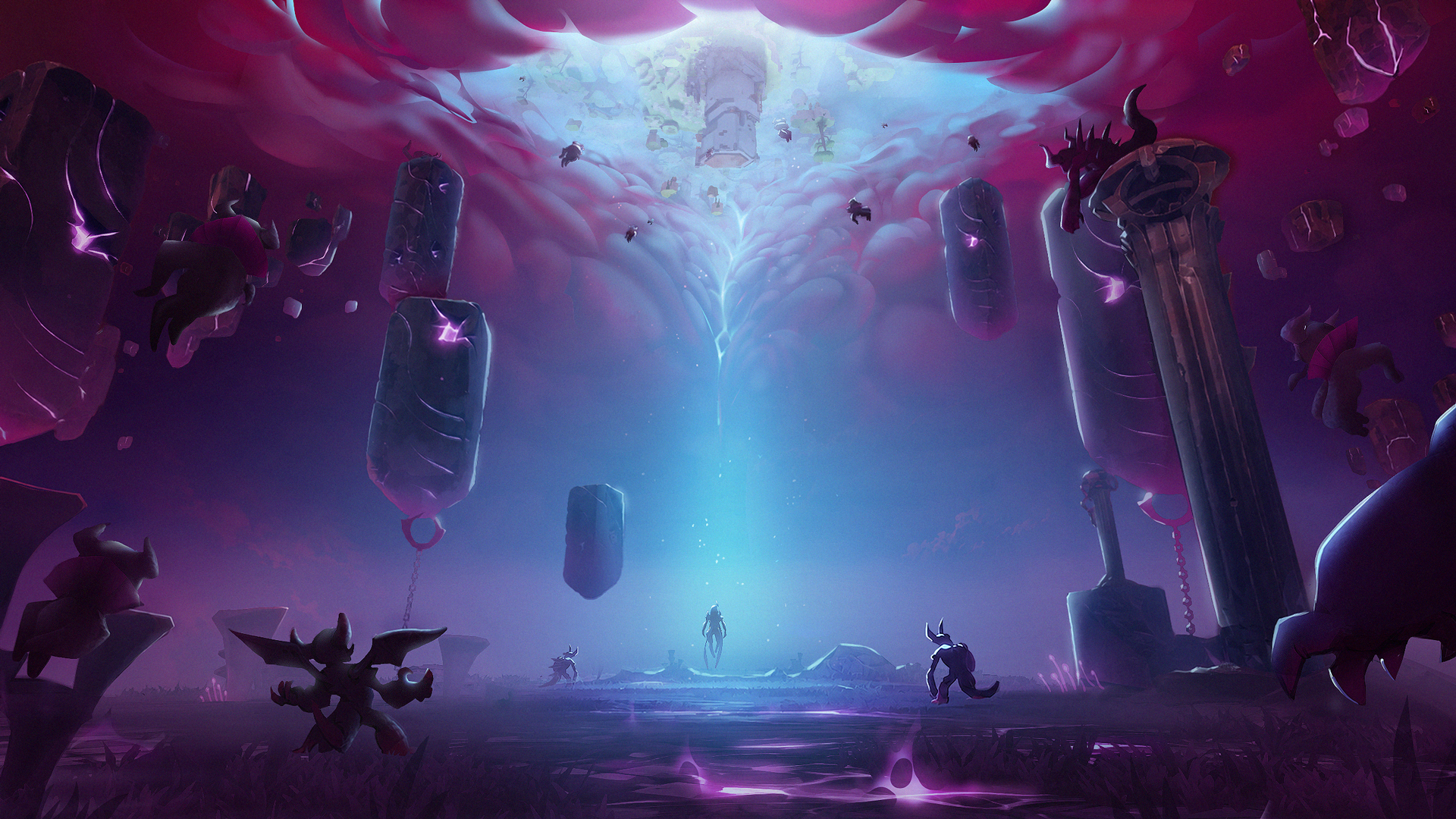
Major Update #1
The July update adds hourly Rifts, the City of Ramburg, Crimson Barracks, High Inquisitor Chakram, a level 25 cap, 50+ collectibles, new recipes for every job, new weapons, Sigils, spectator mode, DLSS, and broad client/server optimization.
Rift Quickstart
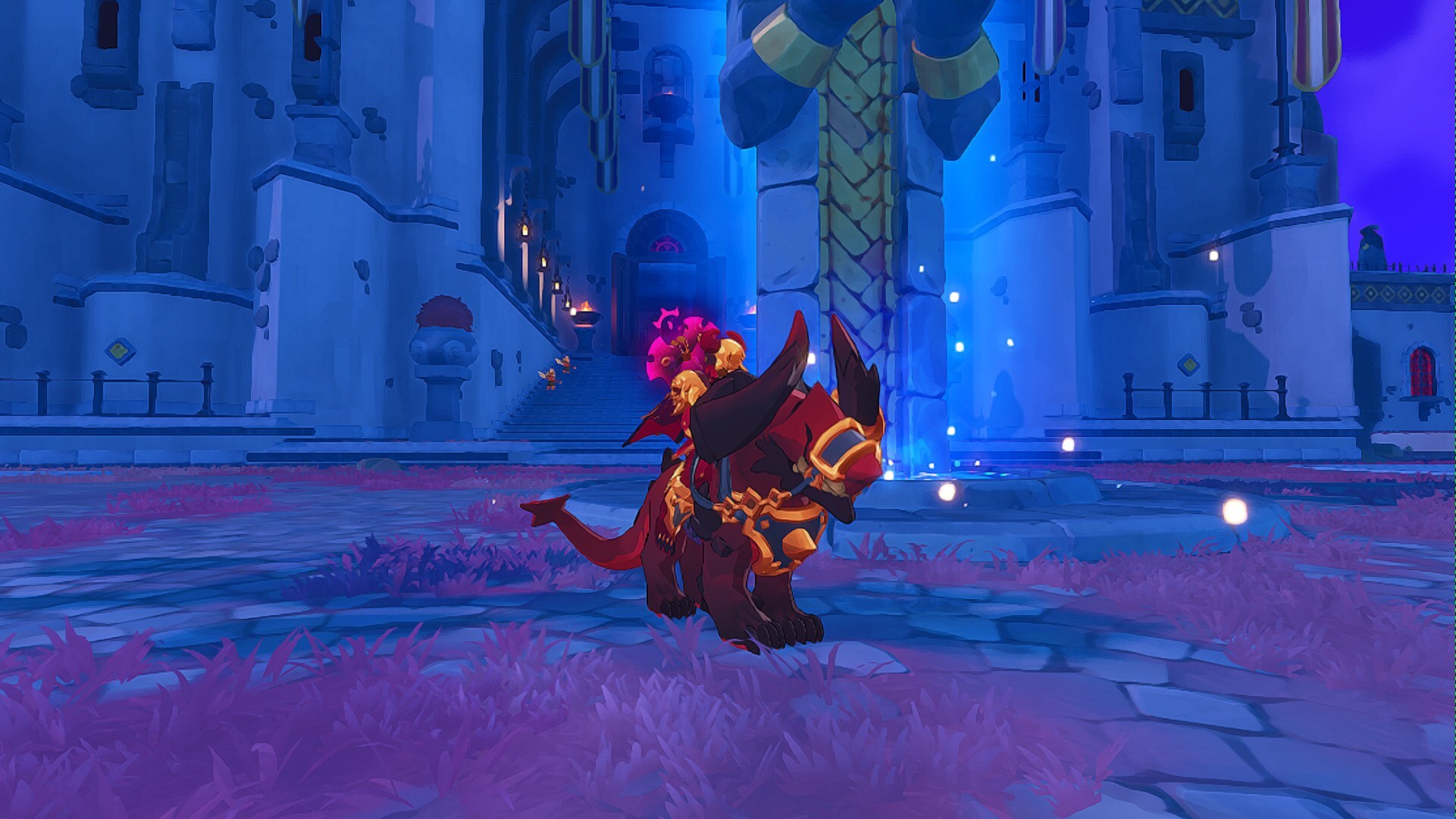
Rifts open every hour in Skover or the Valley of the Eternal Autumn. The warning starts 15 minutes early, but the join window is only two minutes once the Rift opens.
Three gates stay active. Closing one spawns another. Push as many reward thresholds as possible during the two-minute challenge, then finish the last gates to summon the Rift boss.
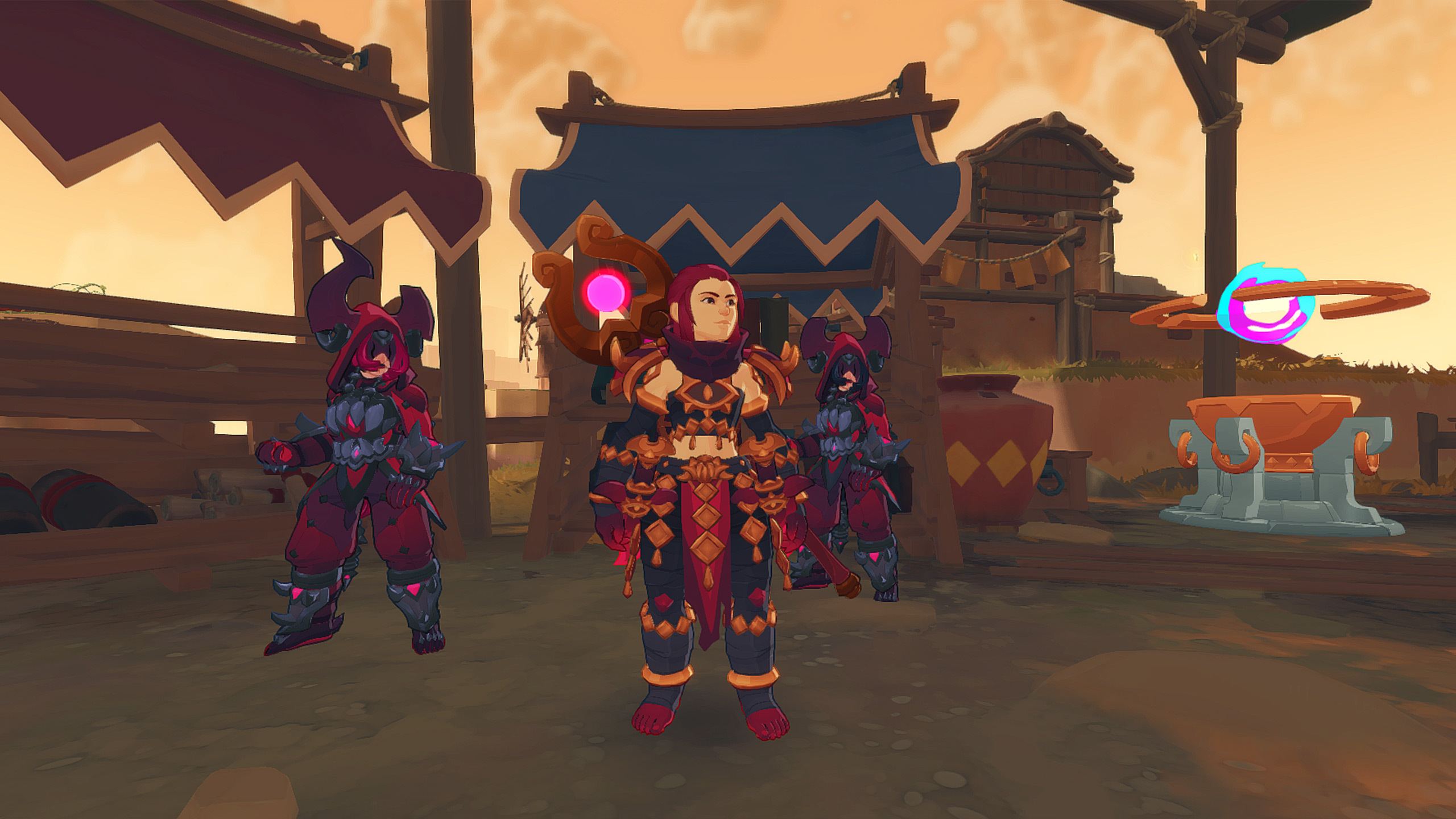
The Demon Hunter trades Demonic Souls and Nightblood for gear, weapons, upgrades, Spark crystals, mounts, gliders, and companions. Zoey now also sells Spark Dust for Demonic Souls.
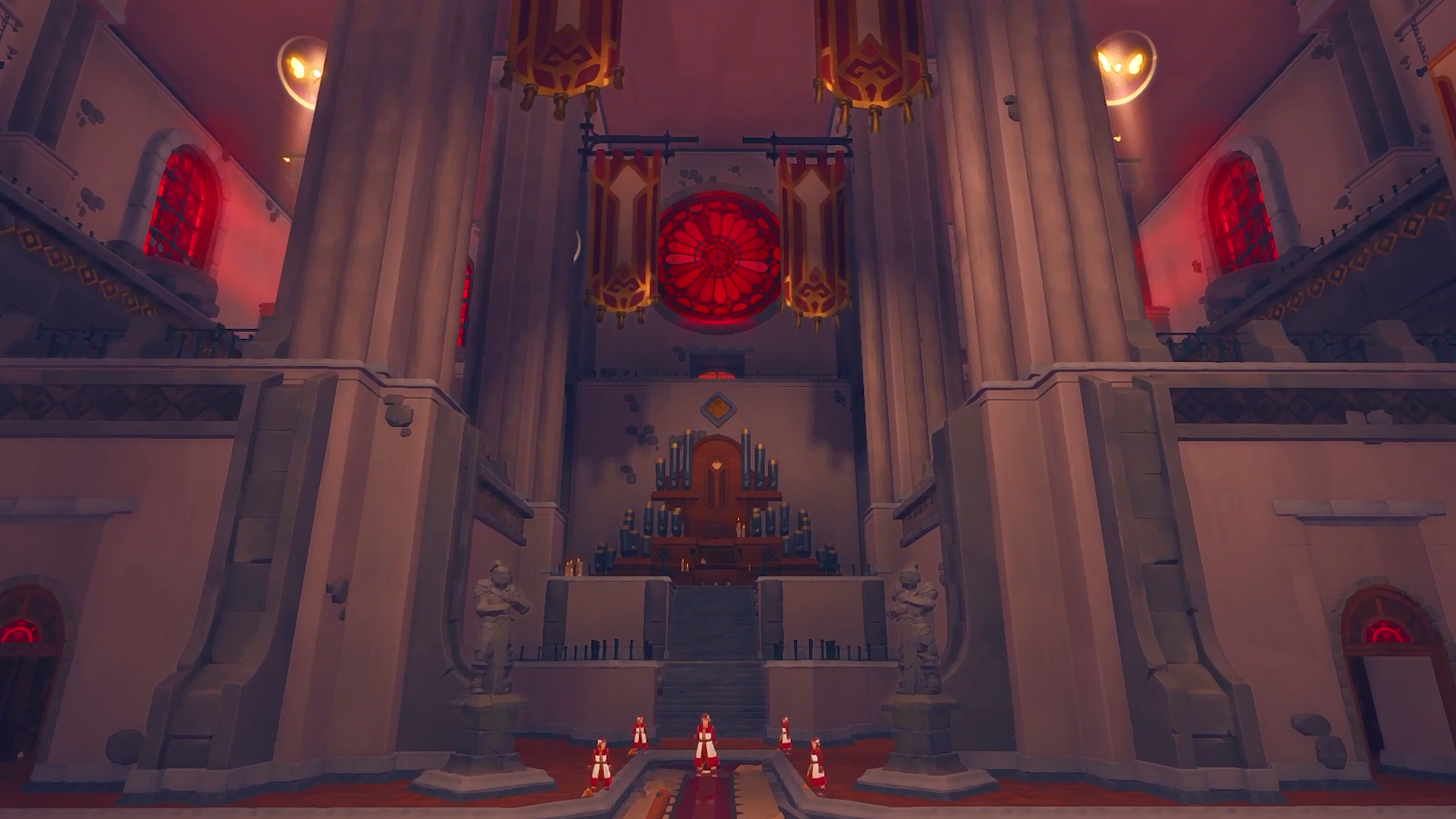
Start in the Lower City, sweep rooftops and hidden passages, then climb toward the Crimson Cathedral. Track new secret orbs before entering the Barracks or Chakram fight.
Grab movement unlocks, light up obelisks, follow map question marks, and open the Codeex before you start farming mobs.
Read checklistUse the map like a route planner: obelisk first, curiosities second, dungeon last, then sweep caves and resources.
Plan a routeCleric/Priest is the safest first pick. Warrior is the simplest melee pick. Rogue and Mage ask more from positioning.
Compare classesYour class starts the kit. Weapon skills, Arsenal swaps, and upgrades decide whether the build actually clears.
View buildsDeep Dives
Shorter pages for players who land from search and want one answer fast.
Beginner Guide
Do not faceplant into random farming. Unlock travel, read the map, spend skill upgrades, and route the zone before you start grinding mobs.
Exploration Map
Hit gray question marks, grab obelisks, and clear vertical paths before farming. In v0.2, Rift alerts also appear in chat even when the event is in another explored region.
Best Class
Cleric/Priest, Warrior, Rogue, and Mage are your launch picks. Class gives the engine; weapons, runes, and Arsenal decide the actual build.
Safest First Character
Simplest Melee Route
Fastest Skill Check
Weapon-Shaped Caster
| Class | Best Pick If... | Early Evidence | Watch Out For | Stats to Notice |
|---|---|---|---|---|
| Cleric / Priest | You want the safest solo start and useful co-op support | Judgment can heal; later support paths include buffs and totems | Do not ignore weapon choice just because you can heal | Faith, vitality, block amount |
| Warrior | You want direct melee pressure and simple combat goals | Rage loop, Raging Smash, axe-style skills like Berserk Attack / Smash Attack | Starter minutes can feel plain until weapon skills open up | Strength, vitality, block amount |
| Rogue | You want fast movement, control, and burst windows | Shadow Step teleports behind the target and stuns briefly; bow helps safety | Trying to face-tank will punish you fast | Dexterity, vitality, crit/mobility stats |
| Mage | You want ranged magic and spell packages shaped by drops | Spark resource, Spark Beam, fire scepter and healing/magic scepter examples | Bad spacing and bad scepter choices make Mage feel worse than it is | Intellect, vitality, magic damage |
Class Picker
Pick the button closest to your plan. The result updates instantly and keeps players moving toward a build instead of guessing.
Builds
At level 7, Arsenal lets you slot a secondary weapon skill. At level 10, talents come online. That is when your starter class turns into a real build.
Judgment keeps mistakes recoverable. Add a defensive or magic weapon package so you can heal, shield, and still clear at a sane pace.
Build Rage by staying active, then spend it on heavy pressure. Axe-style skills such as Berserk Attack and Smash Attack give the route clearer AoE.
Shadow Step gives a short stun and reposition window. Pair melee pressure with bow or potion support so speed does not turn into a death spiral.
Mage is only as good as the magic weapon package you run. Fire scepter pushes damage; healing/magic scepter gives a safer hybrid route.
Weapons
Do not judge a class by the starter swing. Weapon swaps change your skill bar, AoE, sustain, and panic buttons. v0.2 adds instance weapons, demonic weapons, and a two-handed sword to the chase.
A green blinking plus means a skill rank is waiting. Upgrade active weapon skills before you dump rare materials into a low-level stat stick. Since v0.1.3, Hard dungeon weapons should drop at level 20.
Best when you are learning enemy tells, tagging Codeex mobs, or pulling packs without walking into bad trades.
Pair with: Rogue speed, Priest sustain, any melee class that needs safer openers.Good for pressure, interrupts, and chunky boss punish windows. Bad if you spend all stamina before the tell.
Pair with: Warrior Rage, defensive Arsenal skill, potion backup.Magic packages can swing between damage, healing, and control. Mage especially lives or dies by the weapon package.
Pair with: Mage Spark, Priest recovery, co-op groups that need utility.High speed, high responsibility. Great once dodges feel natural; rough if you try to face-tank every pull.
Pair with: Rogue mobility, bow Arsenal, crit/dexterity stat rolls.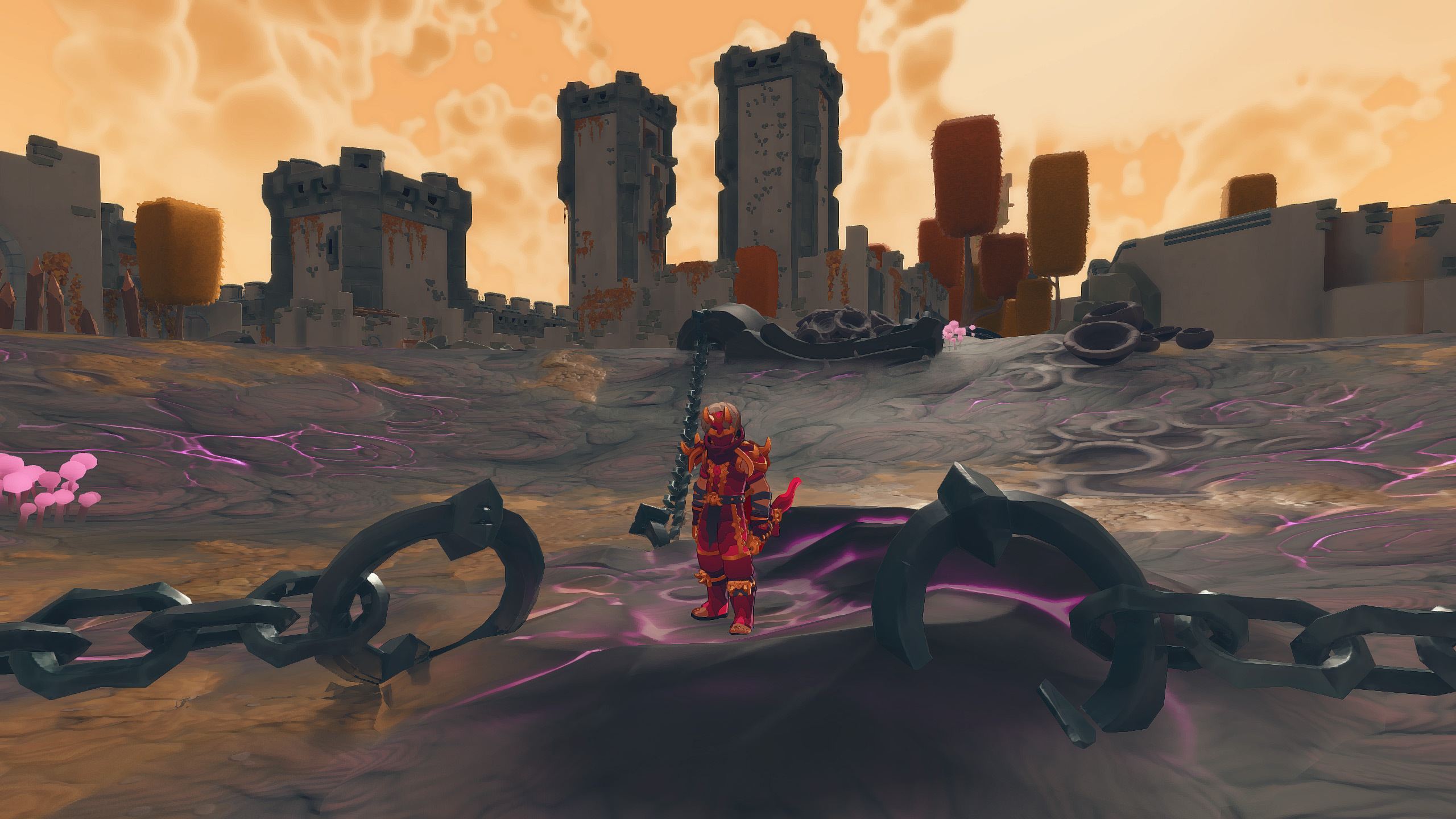
v0.2 Weapon Chase
Look for changed basic attacks, cooldowns, passives, and class feel.
Skill ranks are often more noticeable than small early gear stat bumps.
Use the rune first, then select the new skill bonus on the skill screen.
Borrow the missing tool: heal, pull, stun, escape, or safer ranged damage.
Crafting
Your first crafting goal is not min-maxing. It is bag space, potion uptime, recycled materials, and enough upgrades to stop limping into dungeons. The Nightling Invasion adds new recipes across all six jobs.
Minor healing potions are the cleanest early craft if your class or weapon setup lacks self-heal. Buy vials from the guild merchant, keep herbs, and craft before harder pulls.
Pick this if weapon experiments are your plan. Better for melee routes and players constantly testing drops.
Good if boss learning is costing you durability, potions, and patience. More forgiving while patterns click.
Best early safety job for solo players, potion users, and anyone pushing dungeons before gear feels stable.
Useful once your group wants steady dungeon attempts instead of messy one-and-done clears.
Wait until you know which gear pieces will last. Early enchanting can waste value on throwaway drops.
Loot herbs and ore while routing question marks. Early materials matter more than they look.
Dungeons
The original instance roster now has two Ramburg additions: Crimson Barracks and the High Inquisitor Chakram boss fight. Learn Mine Estrone first, then gear toward level 25 Hard runs.
Run Basic first. This is not just a boss hallway: it tracks Reblochonk, special foes, and 5 Secret Orbs. Rush the boss and you can leave rewards on the floor.
Known Instance Roster
Use Mine Estrone as your first-clear lesson, then start tracking the rest of the Early Access instance list. Detailed route maps are still being filled in by the community.
Known early route: Mine Estrone objectives, 5 Secret Orbs, special foes, and Reblochonk. v0.1.3 fixed a Mine Estrone boss reset issue, so do not plan around old cheese spots.
Open guideDungeon entry on the public roster. Expect tighter pathing, pack control, and route checks once full maps settle.
Open guideDungeon entry on the public roster. Treat it as a pressure-test instance where spacing and cooldown discipline matter.
Open guideDungeon entry on the public roster. Bring clean pulls and add control; do not assume every pack can be face-tanked.
Open guideDungeon entry on the public roster. Expect a different movement rhythm from cave routes and watch for missed side paths.
Open guideNew in v0.2. Ramburg's full dungeon route is a level 25 pressure test with Crimson Ram packs, vertical movement, and new instance weapon targets.
Open guideDungeon Guides
These are living early-access guide pages. Mine Estrone has the strongest route data; the other dungeon pages focus on prep, party roles, and what to verify as routes get solved.
Run Basic first and treat this as your dungeon tutorial. Track Reblochonk, special foes, and the 5 Secret Orbs before you leave.
Public route details are still thin, so play it like a control dungeon: slow pulls, camera checks, and no blind rush through swampy side lanes.
Treat The Abyss as a discipline check. If the route is not solved for you yet, prioritize spacing, cooldowns, and safe recovery windows.
Plan for add control and clean pulls. The name alone screams vertical/branching spaces, so keep the camera active and avoid overpulling.
Expect a different movement rhythm from Mine Estrone-style cave routes. Watch waterline routes, broken platforms, and side paths that hide progress.
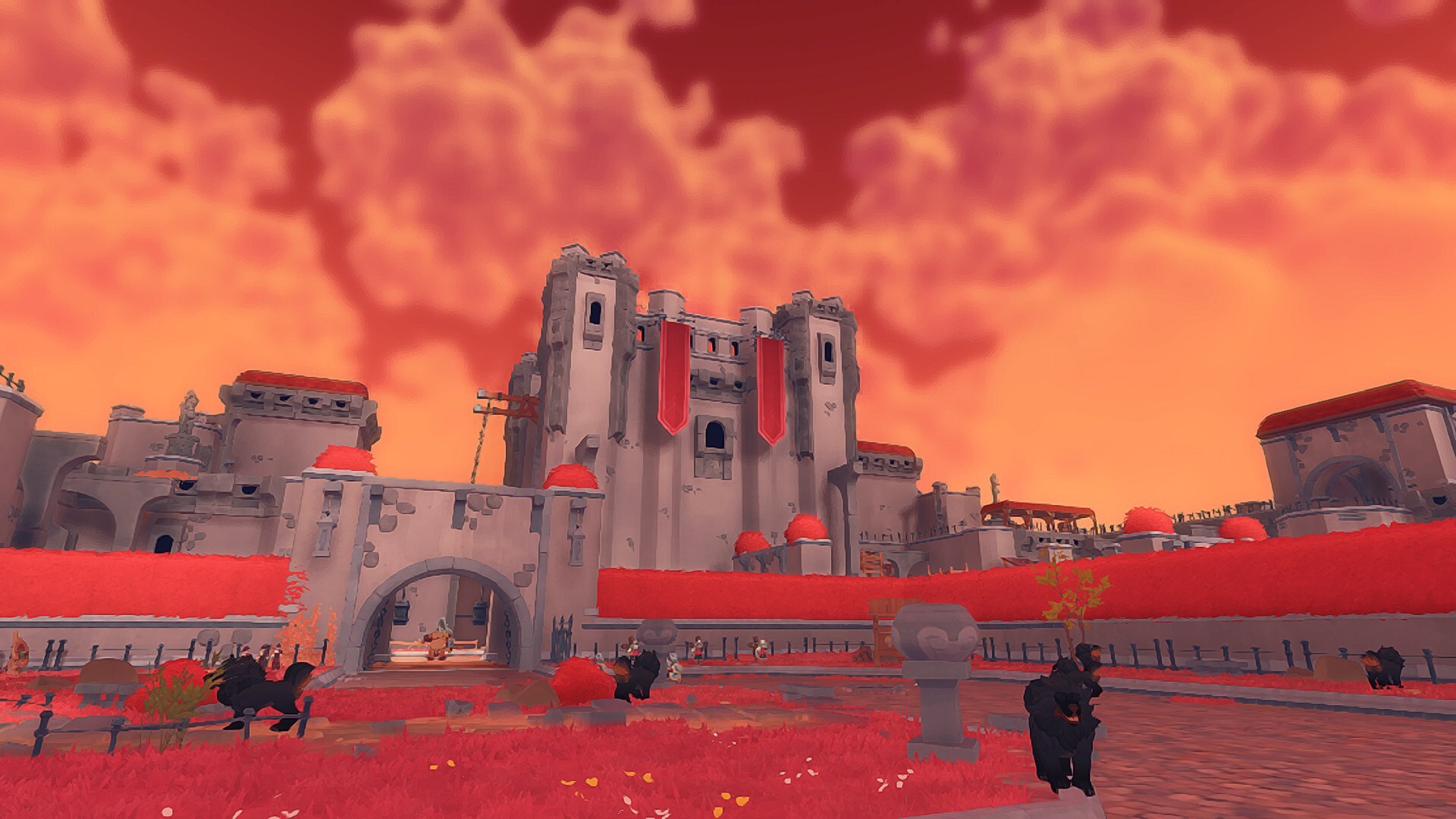
Enter from Ramburg after reaching the current level-cap loop. Treat the first run as a route read: clear Crimson Ram packs together, check elevated lanes, and preserve long cooldowns for each arena lock.
Boss Run Pages
Objective Layers
Party Rules
Next Route
Do not blend Crabgantua into your Mine Estrone route. Crabgantua's Gorge is its own boss run with its own arena rules.
Jump to Crabgantua boss notesBosses
Start with the launch fights, then use the v0.2 guides for High Inquisitor Chakram and the two Rift bosses. Patch-sensitive thresholds are called out directly.
Your first real dungeon check. Clear Mine Estrone on Basic, watch the Secret Orbs counter, then fight Reblochonk like a movement test instead of a damage dummy.
Arena control fight. The big wipe mechanic is Naya's Fury: the data triggers geysers, warns players to take refuge on shell fragments, then drops a heavy water nova and crab adds.
Ratsar is the first fight here with clear public phase thresholds. Expect Spark Absorption at 80%, 60%, and 40%, then a Train Wave entry at 20%.
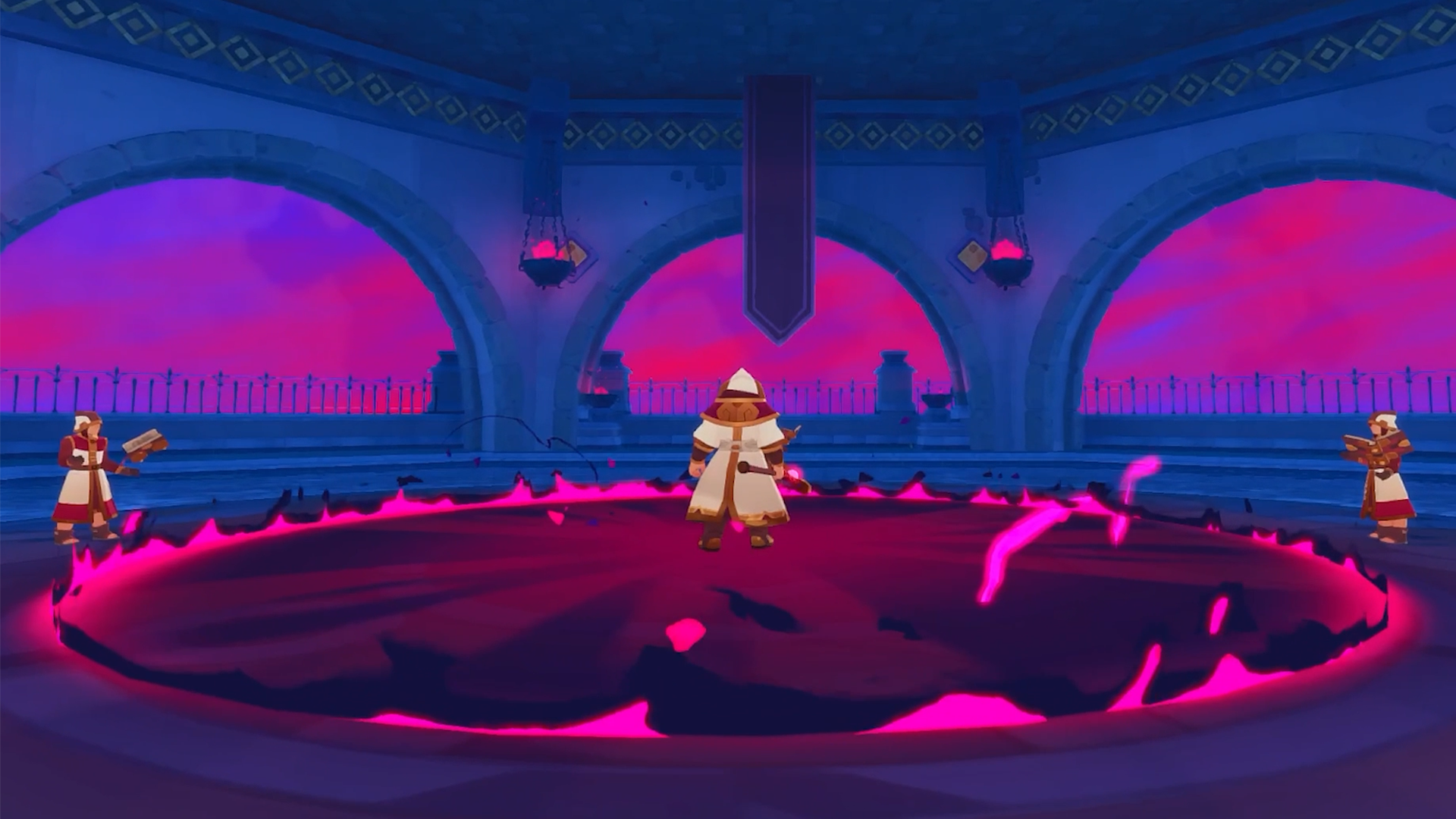
Bring mobile damage, burst for the Eternal Night shield, one dependable defensive cooldown, and enough ranged uptime to keep pressure while the arena becomes unsafe.
Core read: after Shaarlize teleports, wait for the delayed clouds before committing. Touching clouds can spawn Guardians, so rotate around open floor instead of cutting through them.
Chaos Orbs: face and return the orbs cleanly. v0.2.1 fixed edge bounces that could make them impossible to send back.
Recommended: ranged uptime, mobile damage, and one player calling the clean side of the arena.
Core read: respect the jump and expanded Slam radius. Do not dodge on takeoff; hold movement for the landing tell and punish after the impact.
Chaos stacks: each stack increases Maat's damage, so clean movement matters more than squeezing one extra combo. Boss health scales with the live player count.
Recommended: burst after Slam, a ranged fallback, and sustain that does not force the party to stack.
Roadmap
The first major update is live. Shiro says the next stretch will focus on hotfixes, harder dungeon content, navigation tools, and better social features.
Rifts, Ramburg, Crimson Barracks, Chakram, level 25, new weapons, new recipes, Sigils, DLSS, and performance work landed in v0.2.0.
Boss loot guarantees were repaired, Rift access was secured, Zoey gained Spark Dust, and Chakram's final phase was retuned.
Shiro is reserving Heroic mode for a distinct difficulty step above current Hard dungeons. Expect mechanic and reward changes.
Better location tools, including a compass, plus more social and communication features are planned for later this year.
Server Status
v0.2.1 improved player synchronization and made Rifts scale continuously with the number and level of participating players. If matchmaking, login, or chat feels broken, check broad reports before reinstalling.
Steam Deck
Steam lists Windows and full controller support. The v0.2 changelog says Proton versions below Proton 10 are no longer supported, and the update adds DLSS plus lower-impact effects from other players.
Patch Watch
After every patch, recheck Rift timing, Chakram thresholds, class balance, boss rewards, FPS, and any route that relied on preview-branch behavior.
Back to roadmapOfficial facts come from the Farever Steam store page and Steam Community announcements. Current-patch details were checked against the July 15 major update and the July 16-17 hotfixes. Early-route details are marked as community-reported because Early Access patches can change class balance, Codeex rewards, dungeon routes, and performance behavior.